
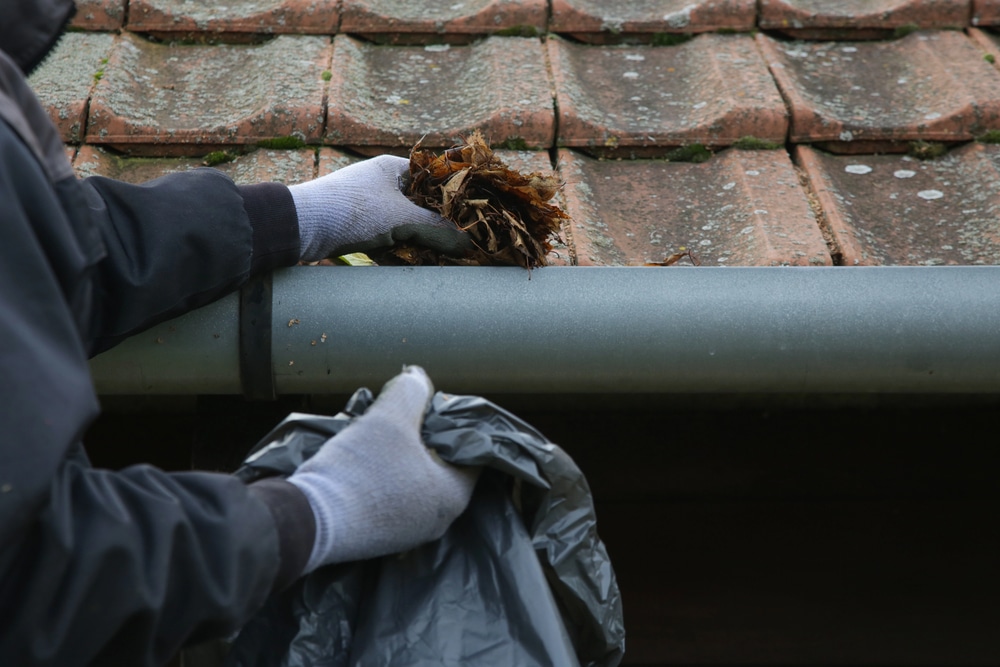
Most homeowners know gutters need attention, but cleaning frequency is less obvious. Is once a year enough? Should you schedule service every season? The right answer depends on your property, surrounding trees, roof design, and how quickly debris collects.
For many homes in Cleveland, OH, twice-yearly gutter cleaning is a practical starting point. However, some properties need three or four visits to keep water moving properly. Homeowners should understand which conditions make gutters fill faster.
Start With a Twice-a-Year Schedule
A spring-and-fall schedule works well for many homes. Spring gutter cleaning removes twigs, seed pods, roof granules, and debris left behind by winter weather. Fall gutter cleaning clears leaves before freezing temperatures and snow create additional drainage concerns.
Scheduling gutter cleaning at these two points gives homeowners a chance to prepare the system for periods of heavier use. Spring rain needs a clear drainage path, while late-fall service helps prevent wet leaves from sitting inside the gutters through winter.
Twice a year is a baseline, not a guarantee. Check how much material the technician removes during each appointment. If the gutters are nearly empty, the schedule may be adequate. If they are packed or already overflowing, you may need more frequent service.
Homes Near Trees Often Need More Attention
Tree coverage is one of the biggest factors affecting cleaning frequency. Large maples, oaks, pines, and other mature trees can drop leaves, needles, seeds, twigs, and small branches throughout the year.
A home directly beneath several trees in Cleveland, OH may need gutter cleaning three or four times annually. Pine needles can be especially troublesome because they settle into narrow spaces, collect around gutter guards, and form dense clogs when mixed with moisture.
Pay attention to trees that hang over the roof rather than looking only at the number of trees in the yard. Wind can also carry material from neighboring properties. Homes in leafy Cleveland, OH neighborhoods may collect debris even when no branches directly touch the roofline.
Roof Design Can Change the Schedule
Some rooflines direct large amounts of water and debris toward a small section of gutter. Valleys, steep slopes, dormers, and multiple roof levels can create collection points that clog faster than the rest of the system.
A complicated roof in Cleveland, OH may need more frequent gutter cleaning, even when the property has limited tree coverage. Likewise, long gutter runs with too few downspouts can struggle during heavy rain if leaves partially block the flow.
Gutter guards may reduce the amount of large debris entering the channels, but they do not eliminate maintenance. Fine particles, seeds, pine needles, and roof sediment can still accumulate. The guards themselves may also need cleaning when debris collects across their surface.
Watch for Signs That the Schedule Is Too Light
You do not have to wait for the next planned appointment when the gutters show signs of trouble. Overflow during rain is one of the clearest warnings. Water spilling over the front edge often means a blockage is preventing normal movement.
Other warning signs include sagging sections, weeds growing from the channels, stains on the siding, water collecting near the foundation, or downspouts that release little or no water. Birds, insects, or small animals near the roofline may also indicate built-up organic material.
When these problems appear between appointments, adjust the gutter cleaning schedule rather than repeatedly waiting for damage. An extra visit is generally easier to manage than repairs to fascia boards, siding, landscaping, or drainage areas.
Cleveland Weather Makes Timing Important
Seasonal conditions in Cleveland, OH can quickly expose a weak maintenance plan. Rainfall tests whether the gutters and downspouts can carry water away from the building. Fall leaves can create sudden blockages, while freezing conditions can turn trapped moisture and debris into a heavier mass.
The goal is not to clean gutters simply because a date appears on the calendar. The goal is to have them clear before demanding weather arrives. That is why late spring and late fall are common service periods, with additional checks after major storms or unusually heavy leaf drop.
To understand how seasons affect your appointment more closely, read When Is the Best Time to Clean Gutters in Cleveland, OH? next. It explains how to choose the most useful service windows instead of scheduling after a problem begins.
How to Create the Right Plan for Your Home
Start with two professional visits per year, then use the results to customize the schedule. Ask the technician how full the gutters were, whether the downspouts had blockages, and if any areas collected more material than others.
You may need more frequent gutter cleaning when your home has heavy tree coverage, a complex or steep roof, recurring downspout clogs, gutter guards, or a history of overflow. Newly purchased homes in Cleveland, OH also deserve gutter cleaning because the previous maintenance schedule may be unknown.
Take a quick look from the ground after storms. You do not need to climb a ladder to notice overflow, disconnected downspouts, or water landing too close to the foundation. These simple observations can reveal whether your current plan is working.
Keep Your Gutters Ready for Every Season
There is no single schedule that fits every property. Most homeowners can begin with spring and fall service, then increase the frequency based on debris, trees, roof features, and visible drainage problems.
For professional gutter cleaning in Cleveland, OH, contact Paneless Window Cleaning. Their team can clear accumulated debris, check the flow through the system, and help you establish a practical maintenance schedule based on your home’s actual needs.