
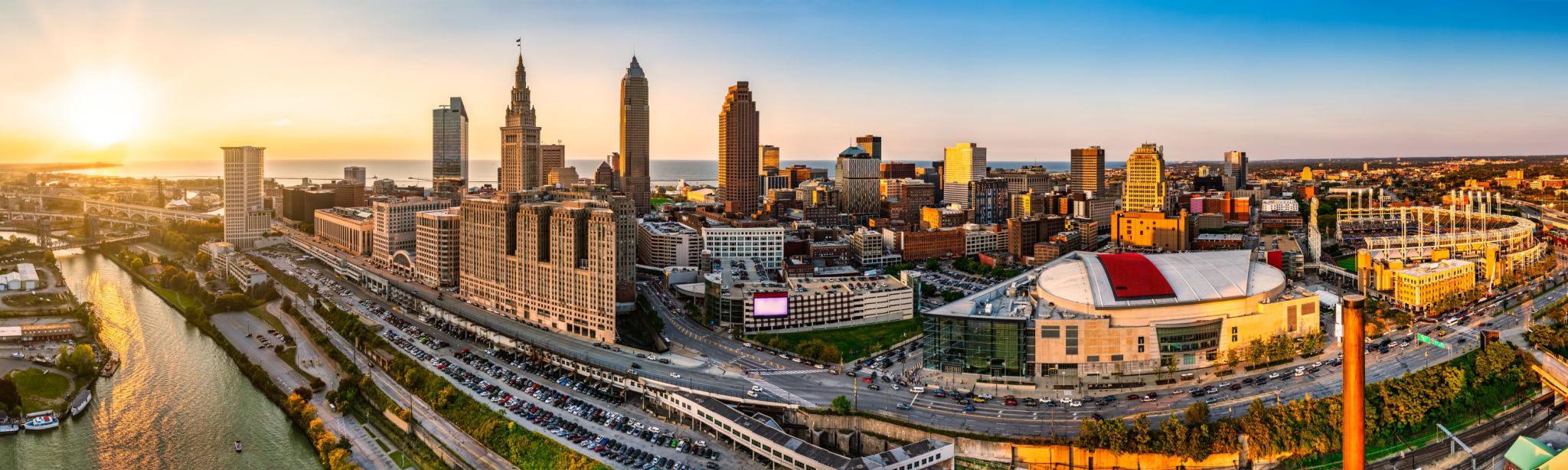
Cleveland doesn’t always get the headline treatment. In conversations about Midwest growth, cities like Columbus or Nashville often dominate the spotlight. Cleveland, by comparison, tends to be discussed in the past tense — industrial powerhouse, manufacturing hub, Rust Belt icon.
But that narrative misses something important.
Spend real time in Greater Cleveland — particularly on the west side in communities like Lakewood and Westlake — and a much more layered story begins to emerge. It’s a region shaped by reinvention, sustained by infrastructure, and grounded in neighborhoods that feel lived in rather than manufactured.
The word underrated gets used casually. Here, it feels earned.
A Region Defined by Reinvention, Not Decline
Cleveland’s early growth was tied directly to its geography. Positioned along Lake Erie with access to rail and river systems, the city became a manufacturing giant in the late nineteenth and early twentieth centuries. Steel production, shipping, and heavy industry created jobs and fueled expansion. At one point, Cleveland ranked among the largest cities in the United States.
Then came the shifts — global manufacturing changes, suburban expansion, and economic restructuring. Population declined. Headlines followed.
What often gets overlooked is how the region responded.
Institutions like the Cleveland Clinic expanded into internationally recognized healthcare leadership. University Hospitals strengthened medical research and regional employment. Higher education institutions and biomedical startups began anchoring a new economic layer.
This wasn’t a flashy pivot. It was gradual. Strategic. Sustainable.
Today, healthcare, education, logistics, and diversified commercial development form a much steadier foundation than the one-dimensional industrial base of the past.
That kind of quiet evolution doesn’t always trend on social media. But it builds stability.
Lake Erie’s Influence on Daily Life
Lake Erie isn’t just a scenic backdrop; it reshapes how residents experience Cleveland. The shoreline provides visual openness that most inland Midwest cities simply don’t have. Even on cold days, there’s something grounding about standing near the water and looking toward the horizon.
In warmer months, Edgewater Park and surrounding lakefront trails feel almost coastal. Kayakers, cyclists, families walking at sunset — it creates an atmosphere that softens the industrial narrative many outsiders still hold.
For homeowners, proximity to the lake subtly influences property appeal. Lakewood, in particular, benefits from this dynamic. Its eastern edge meets the shoreline, blending historic residential density with waterfront accessibility. The result feels both urban and relaxed.
Water has a way of anchoring long-term desirability. Cleveland’s access to Lake Erie remains one of its most underappreciated advantages.
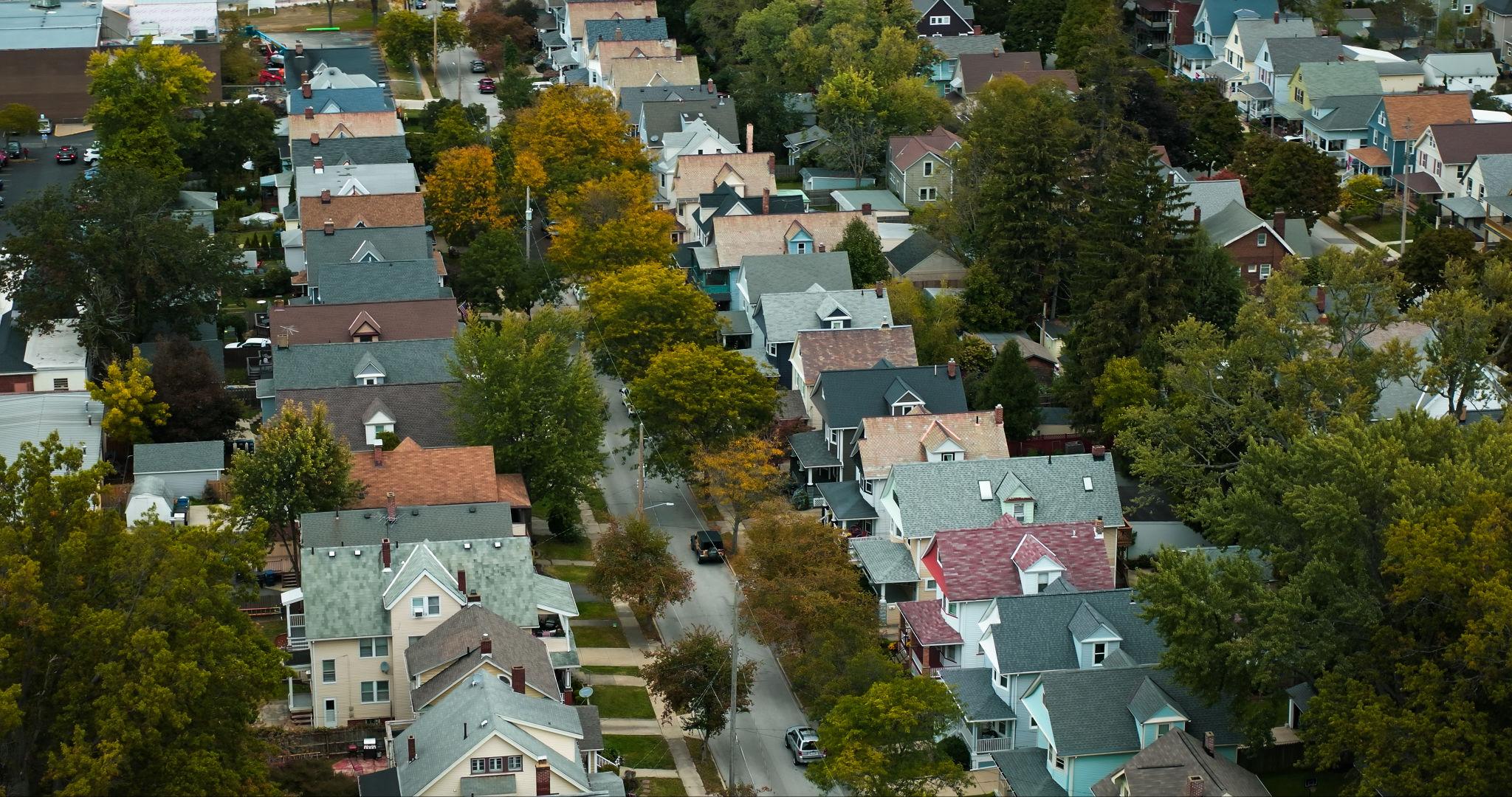
Lakewood: Density with Character
Lakewood challenges the conventional idea of suburbia.
It’s one of Ohio’s densest cities, yet it doesn’t feel congested. Instead, it feels connected. Streets are lined with early twentieth-century homes — colonials, duplexes, brick apartment buildings — many with architectural details that newer developments rarely replicate.
Walk down Detroit Avenue and you’ll notice independent businesses, neighborhood restaurants, and storefronts that feel rooted rather than corporate. Side streets are active but residential. Neighbors walk dogs. Children ride bikes. It feels established.
For property managers, Lakewood offers consistent rental demand and multi-unit housing stock that remains attractive to young professionals and families alike. For homeowners, it offers character and proximity — downtown Cleveland is typically less than 15 minutes away.
There’s a sense of authenticity here that’s hard to manufacture.
Westlake: Expansion Without Isolation
Travel further west and the atmosphere shifts.
Westlake feels more expansive. Residential lots are larger. Developments are newer. Commercial corridors are more defined, particularly around Crocker Park — a mixed-use center that blends retail, offices, and residential space into a walkable district.
For commercial building owners, Westlake represents visibility and infrastructure strength. Corporate offices, medical facilities, and retail anchors create reliable traffic and economic activity. At the same time, residential neighborhoods offer privacy and modern layouts that appeal to families seeking space.
Unlike some outer suburbs that feel disconnected from urban centers, Westlake maintains access. Major highways and arterial roads link it efficiently to downtown Cleveland and surrounding communities.
It’s growth without sprawl — measured, organized, and intentional.
Affordability That Encourages Ownership
Cleveland’s affordability isn’t a marketing slogan; it’s a measurable advantage. Compared to many metropolitan regions nationally, housing costs remain accessible relative to income levels. Commercial lease rates are competitive. Property taxes vary by municipality, but overall cost of entry remains manageable.
What makes this particularly compelling is that affordability hasn’t come at the expense of culture or infrastructure.
The Rock and Roll Hall of Fame anchors the lakefront as a global attraction. Playhouse Square ranks among the largest performing arts districts outside New York City. Professional sports remain central to downtown energy.
You don’t sacrifice cultural depth to live here. You simply avoid paying a premium for it.
Stability Over Hype
Some cities grow fast. Headlines celebrate surges in population or speculative real estate spikes. That can be exciting — but it can also be volatile.
Greater Cleveland’s growth feels steadier. Reinvention has happened gradually. Neighborhoods have matured rather than flipped overnight. Infrastructure improvements have been layered, not rushed.
For homeowners and commercial property owners, that stability matters. Long-term value often depends less on explosive growth and more on consistent demand and community investment.
As a company serving homeowners and commercial properties throughout Lakewood and Westlake, we’ve seen that pride of ownership firsthand. Properties are maintained thoughtfully. Businesses invest in their facades. Neighborhood identity matters here.
That kind of civic consistency doesn’t show up in national rankings — but it shows up on the street level.
A Different Kind of Midwestern Strength
Cleveland isn’t chasing trends. It’s refining what it already has: waterfront access, architectural history, institutional strength, and west-side communities that balance density with livability.
Underrated doesn’t mean undiscovered. It means misunderstood.
For those who take a closer look — particularly in Lakewood and Westlake — Greater Cleveland reveals itself as something far more durable than its old stereotypes suggest.
And durability, especially in a shifting national economy, is its own kind of advantage.
Frequently Asked Questions
Is Greater Cleveland a good place to live long term?
Yes. Its combination of affordability, infrastructure, healthcare leadership, and diverse neighborhoods makes it appealing for long-term homeowners.
How do Lakewood and Westlake differ?
Lakewood offers historic density and walkability, while Westlake provides larger properties and newer development with strong commercial presence.
Does Cleveland’s lakefront impact property value?
Waterfront proximity and lake access often increase neighborhood appeal, particularly in west-side communities near Lake Erie.
Is Cleveland still growing?
While growth is steady rather than explosive, reinvestment in healthcare, mixed-use development, and west-side expansion continues to strengthen the region.
Greater Cleveland’s story isn’t about flash. It’s about resilience, character, and neighborhoods that continue to evolve without losing their foundation.
If you own property in Lakewood, Westlake, or anywhere on the west side, maintaining that curb appeal matters. Learn more about Paneless Window Cleaning and how our local window cleaning professionals support homeowners and commercial buildings across Greater Cleveland.